

ByteDance's Seedance 2.5 pushes single-shot AI video generation to 30 seconds, doubling the previous ceiling, and adds region-level editing and up to 50 reference inputs. Here's exactly what shipped, what's still tied to the older Seedance 2.0 line, and how it stacks up against Veo and Kling.
In Short: Seedance 2.5
- Seedance 2.5 generates a single, continuous 30-second clip natively, without stitching shorter segments together, doubling Seedance 2.0's 15-second ceiling.
- It accepts up to 50 multimodal references (images, video, and audio combined) in one generation, up from 12 on Seedance 2.0.
- Region-level editing lets you swap a subject, background, or product inside an existing shot without re-rendering the whole clip or disturbing the original camera move.
- Ambience, foley, and score generate in the same pass as the picture, rather than as a separate audio step.
- ByteDance officially released Seedance 2.5 on July 31, 2026, first inside its own consumer apps, with API access following in early August.
What Is Seedance 2.5
Seedance 2.5 is ByteDance's next-generation video model, previewed on stage at the Volcano Engine FORCE conference on June 23, 2026, then officially released to the public on July 31, 2026, first as the default video model in ByteDance's own 即梦 (Jimeng) and Dreamina apps, with developer API access on Volcano Engine and BytePlus ModelArk rolling out in early August. It builds directly on Seedance 2.0, which currently holds the top spot on Artificial Analysis's Text-to-Video Arena, a blind human-preference leaderboard.
The Three Headline Upgrades
30-second single-shot generation. Most video models hold visual consistency for a few seconds before drifting, characters subtly change appearance, lighting shifts, motion loses physical plausibility. The usual workaround is generating several short clips and stitching them, which creates visible seams. A coherent 30-second take generated directly removes that stitching step entirely, which matters most for advertising, pre-visualization, and short-form animated drama.
Up to 50 multimodal references. Feed the model character turnarounds, product shots, and brand colors, and it holds far more grounding to keep the same face, packaging, and visual style consistent across a sequence. This is the upgrade with the most direct commercial value: brand and product fidelity across shots is often the entire requirement for advertising work, regardless of how cinematic a single clip looks.
Region-level editing. Instead of regenerating an entire clip and hoping the rest survives untouched, you can swap one subject, background, or product inside an existing shot while keeping the original motion, camera move, and lighting intact. For commercial work, localizing a product for a different market without touching anything else in the frame turns a full reshoot into a targeted edit.
What's Still Tied to Seedance 2.0, Not 2.5
Native 4K output belongs to a separate upgrade to the Seedance 2.0 line, announced at the same event, not to Seedance 2.5's own spec sheet. Several outlets have merged the two, but ByteDance's own materials keep them distinct. As of its public release, Seedance 2.5 outputs at up to 720p, with some platforms since upgrading to native 1080p, if you specifically need native 4K, Seedance 2.0 remains the model built for that.
How It Compares to Veo and Kling
There's no independent benchmark specific to Seedance 2.5 yet, but the model it builds on sets a useful baseline. On the Artificial Analysis Text-to-Video Arena, a blind human-preference ranking, Seedance 2.0 currently sits at #1 with an Elo score of 1,219 among models with audio, ahead of Kling 3.0 Pro at 1,105 and Google's Veo 3.1 at 1,094. On pricing, Artificial Analysis normalizes Seedance 2.0 at roughly $9 per minute of 1080p video, against about $24 per minute for Veo 3.1 and $20 per minute for Kling 3.0 Pro, a meaningfully lower cost per minute at a leading quality position.
Seedance 2.5 vs. Seedance 2.0
Where to Access Seedance 2.5
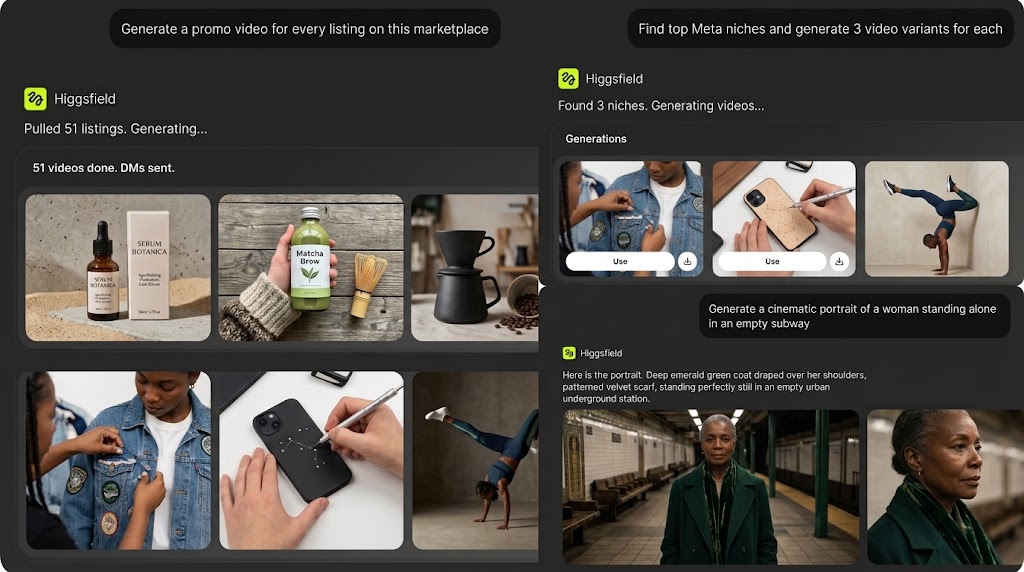
The model is available through ByteDance's own consumer apps (Jimeng, Dreamina), the Volcano Engine and BytePlus ModelArk developer API, and it's already been integrated into third-party platforms including Higgsfield, Morphic, and Renoise within weeks of the public release. Availability and included generation limits vary by platform and plan.
Frequently Asked Questions
Is Seedance 2.5 actually available now?
Yes. ByteDance officially released it on July 31, 2026, first inside its own consumer apps, with developer API access following in early August 2026.
Does Seedance 2.5 really generate 30-second clips in one pass?
That's ByteDance's claim, a single continuous 30-second clip without stitching shorter segments together, doubling Seedance 2.0's 15-second limit. Independent testing on quality consistency across the full 30 seconds is still developing since the model only recently went public.
Does Seedance 2.5 support native 4K?
No. Native 4K belongs to a separate upgrade on the Seedance 2.0 line. Seedance 2.5 shipped at up to 720p, with some platforms since adding native 1080p.
How does Seedance 2.5 compare to Veo 3.1 and Kling?
There's no independent benchmark for 2.5 specifically yet. Its predecessor, Seedance 2.0, currently ranks #1 on Artificial Analysis's Text-to-Video Arena with an Elo of 1,219, ahead of Kling 3.0 Pro (1,105) and Veo 3.1 (1,094), at a lower cost per minute than either.
What is region-level editing?
The ability to replace a specific subject, background, or product inside an already-generated shot, without touching the rest of the frame's motion, camera move, or lighting, avoiding a full re-render for a single change.
If AI video generation is becoming part of your regular content workflow, it's worth pairing that speed with an actual production skill set. Miracamp's Content Creation Course covers AI-powered content workflows alongside the strategy and monetization skills that turn fast generation into a consistent output, and our guide to building a career as an AI creator covers the tools and growth tactics specific to AI-generated content on TikTok and Instagram.